
310: Remembering Phil Upchurch
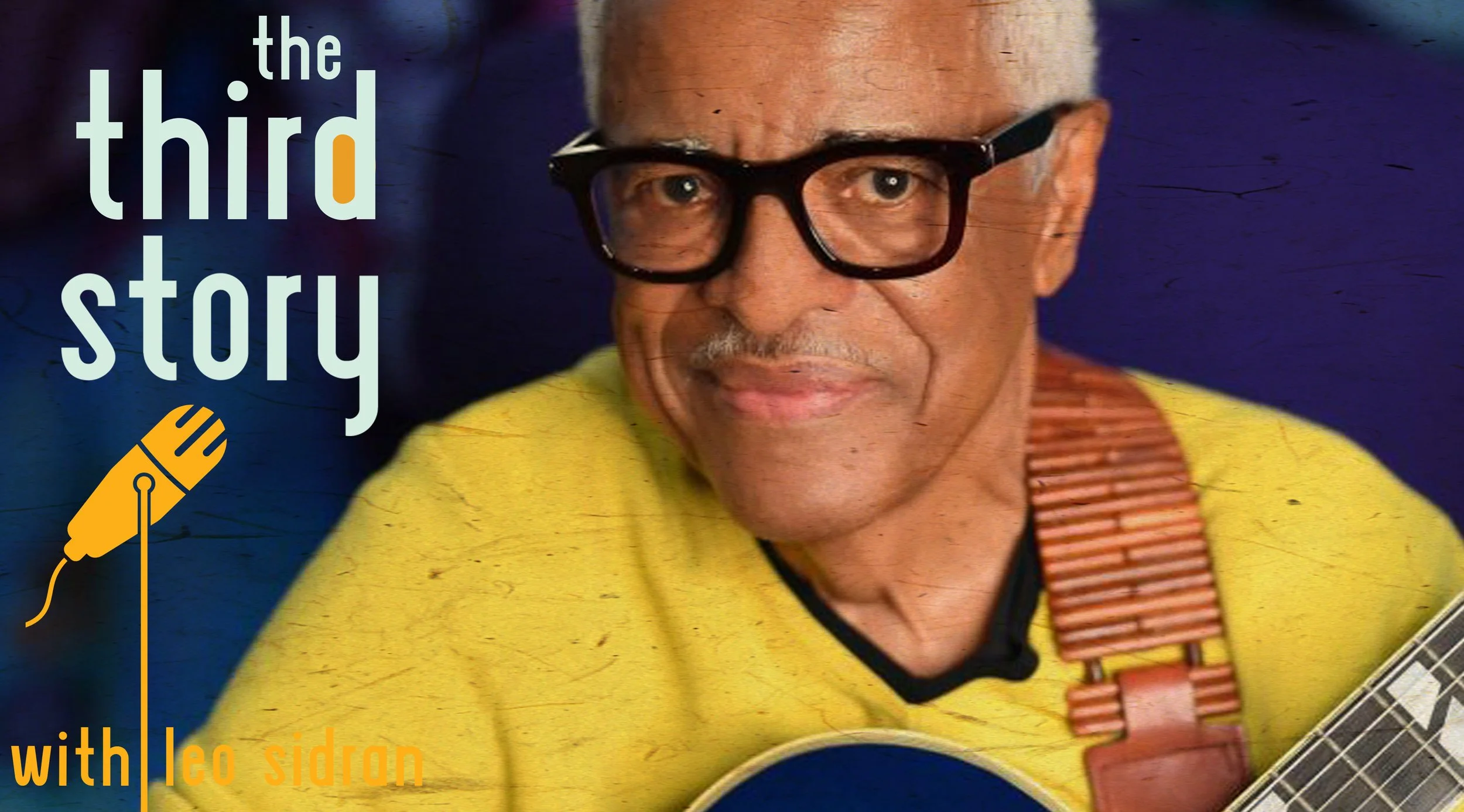
Phil Upchurch was a musician’s musician. Those who knew, knew. He played on over a thousand recordings, including some of the most iconic popular music ever made including Michael Jackson's Off The Wall, Donny Hathaway Live, Chaka Khan's “I’m Every Woman”, Curtis Mayfield's Superfly, and George Benson's BreezinHe was there in the rooms where the sound of a generation was being created. As my dad, Ben Sidran, tells me in this conversation, “He went from Jimmy Reed to Michael Jackson—that’s pretty unusual.”
What made Phil so remarkable wasn’t just the résumé, impressive as it was. It was his dual identity. He loved inserting complex harmony into simple forms, loved the intellectual puzzle of 2-5-1 progressions as much as the raw power of a single bent note. He played both guitar and bass with equal authority. He could sit in a studio band and instantly know the right part to play, or step forward and be unmistakably himself.
My relationship with Phil is intertwined with my relationship with my father. They were friends for over fifty years—recording, touring, sharing life.
Some of my earliest memories of being in a studio involve the two of them together, laughing, experimenting, finding the music in the room. Some of my first gigs as a drummer were with Phil. He treated me with generosity and seriousness, not because I was “Ben’s kid,” but because he could see I was serious about the music and he let me know that there was a place for me, the next set of hands that might carry something forward.
It’s easy to romanticize mentorship, but the truth is it’s how the music survives. It’s how names and sounds persist across time. “We all have a time,” my dad says in the conversation. “Phil lived a full life. And he represented a truth rather than a fiction.”
After Phil’s passing, I did what I’ve done before when a friend left the stage: I called my dad. We talked. We remembered. We tried to fill in the hole left in the fabric. And in doing so, we performed the small sacred act that keeps a musical life alive—we said his name.
Phil Upchurch.