326: Ben Wikler
Ben Wikler grew up in Madison, Wisconsin, in the distinctive mix of progressive politics, civic engagement, and academic inquiry that has shaped generations of Madisonians. Madison was also the birthplace of The Onion, where a particular strain of absurdist humor found its voice before making its way into the mainstream through The Daily Show and The Colbert Report.
Wikler's own career has moved back and forth between communication and organizing, often bringing the two together. He got his professional start working for Al Franken, first as a researcher and writer, then as a producer at Air America Radio. Later he worked on political campaigns and held leadership roles at organizations including MoveOn and Change.org. Along the way he hosted podcasts, lived in Cambridge, Brooklyn, and Washington, D.C., before eventually returning home to Madison to become chair of the Democratic Party of Wisconsin.
Talking with Ben, it's impossible to miss the role humor has played throughout his life. He's not interested in making politics more entertaining. For him, comedy creates community, and community is what gives people the confidence to act together.
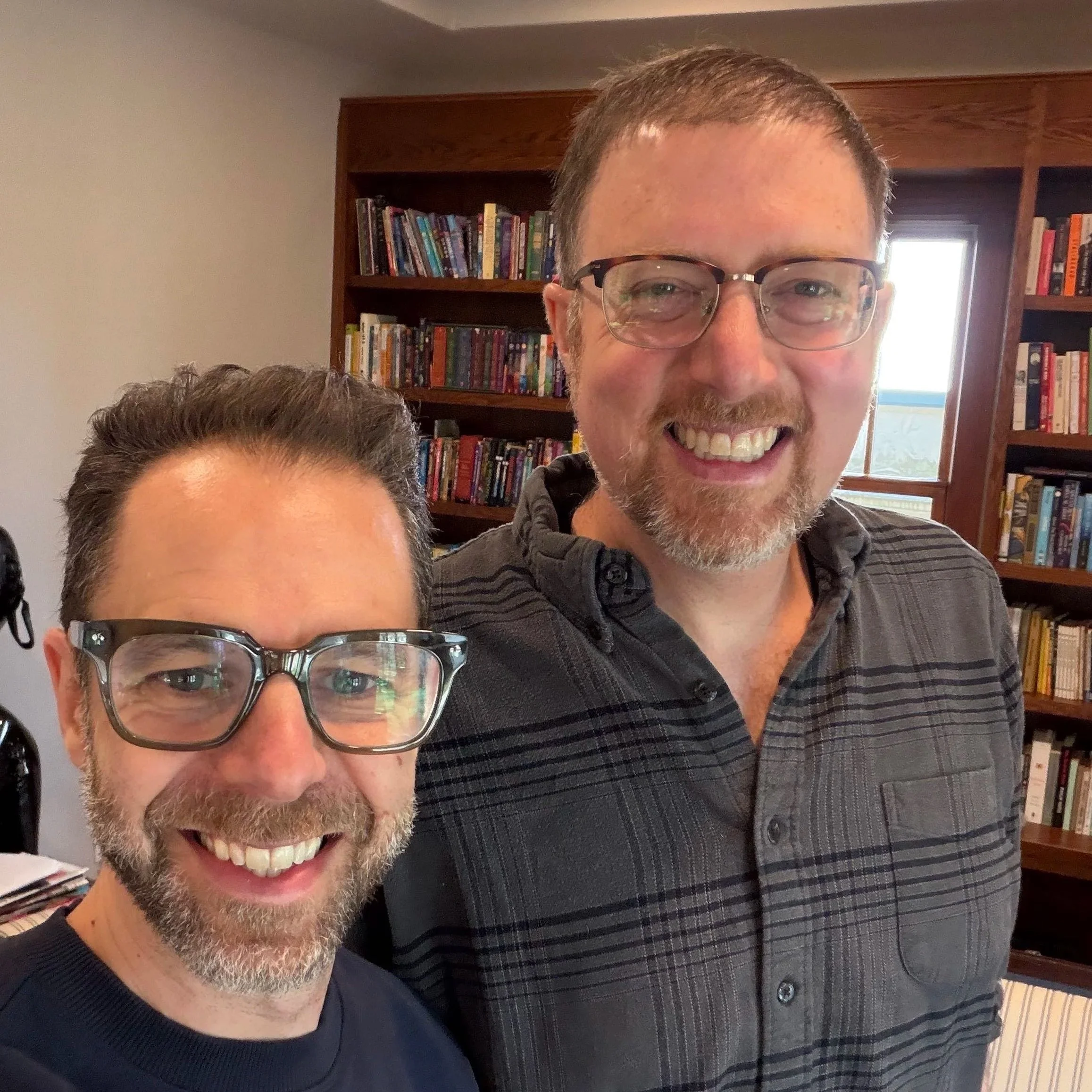
With Ben Wikler, April 2026 in Madison, Wisconsin.
I visited Ben at the house where he grew up - and where he and his wife are now raising their own family. He speaks about Wisconsin with the affection of someone who believes a place can shape the way people see the world. The tradition known as the Wisconsin Idea - the belief that the university should serve the public good - runs through much of what he says.
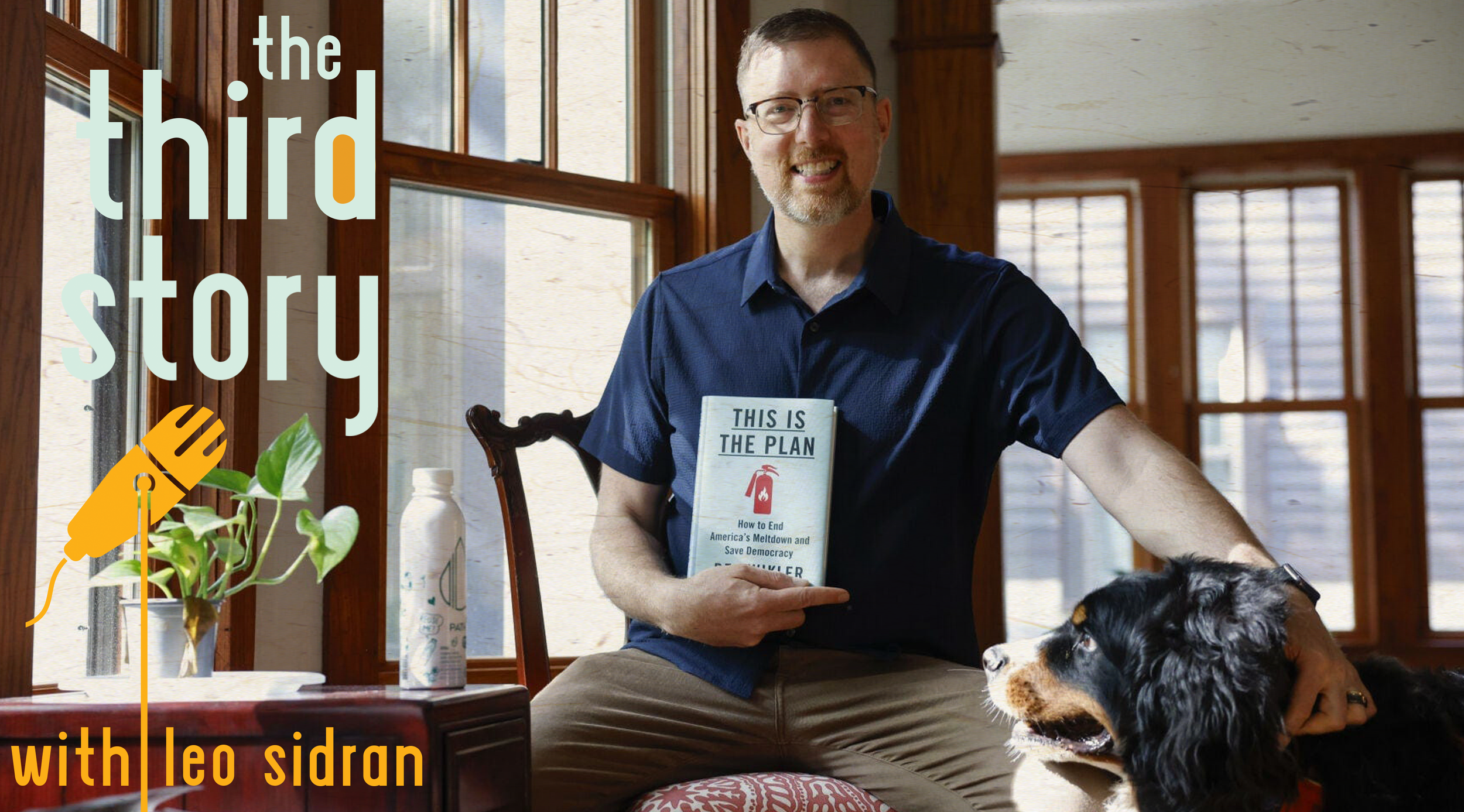
His new book, This Is the Plan: How to End America's Meltdown and Save Democracy, draws heavily on that experience. In Ben's telling, Wisconsin has spent the last decade grappling with many of the same political forces that have reshaped the country. He sees reasons for concern, but also reasons to keep working.
At a recent event in Brooklyn celebrating the book's publication, his friend Ilyse Hogue aptly described him as "the happy warrior." He doesn't approach politics with outrage as his organizing principle. He is curious rather than furious. Faced with a difficult problem, his instinct is to gather people, understand what's happening, and figure out how to move forward.
As he puts it here: "Democracy is exhausting until you discover solidarity."